

AI Secret Sauce Night Two: Build Your AI Team
Night Two at Cowork Chilliwack: Claude Code, voice typing, a password safe and a team of AI helpers set up live on a business owner's Mac. Slides included.
Read post → Night Two at Cowork Chilliwack: Claude Code, voice typing, a password safe and a team of AI helpers set up live on a business owner's Mac. Slides included.
Read post →
Denise runs a permanent jewellery business in Chilliwack. Her Mac now listens to her, talks back, keeps her passwords in a safe, and drafts her Instagram and Facebook posts for her to approve. Here is everything we set up, in plain words, and how the same setup works from anywhere.
Read post →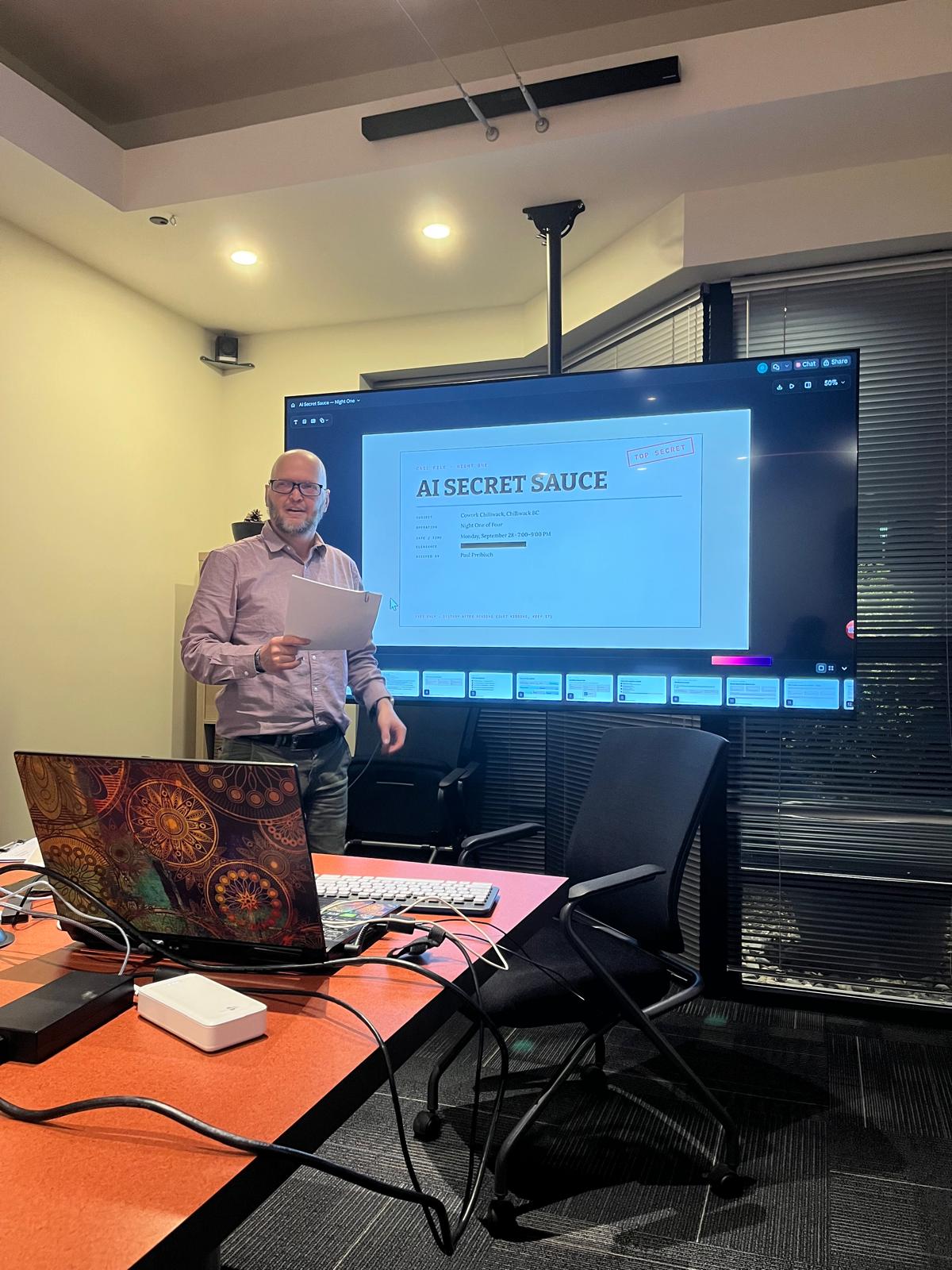
Night One of AI Secret Sauce at Cowork Chilliwack covered the five unlocks and the plumbing under them: secrets management, setting up AI bots, and API keys. Here's what I showed. Night Two followed on October 5, and more nights are on the calendar.
Read post →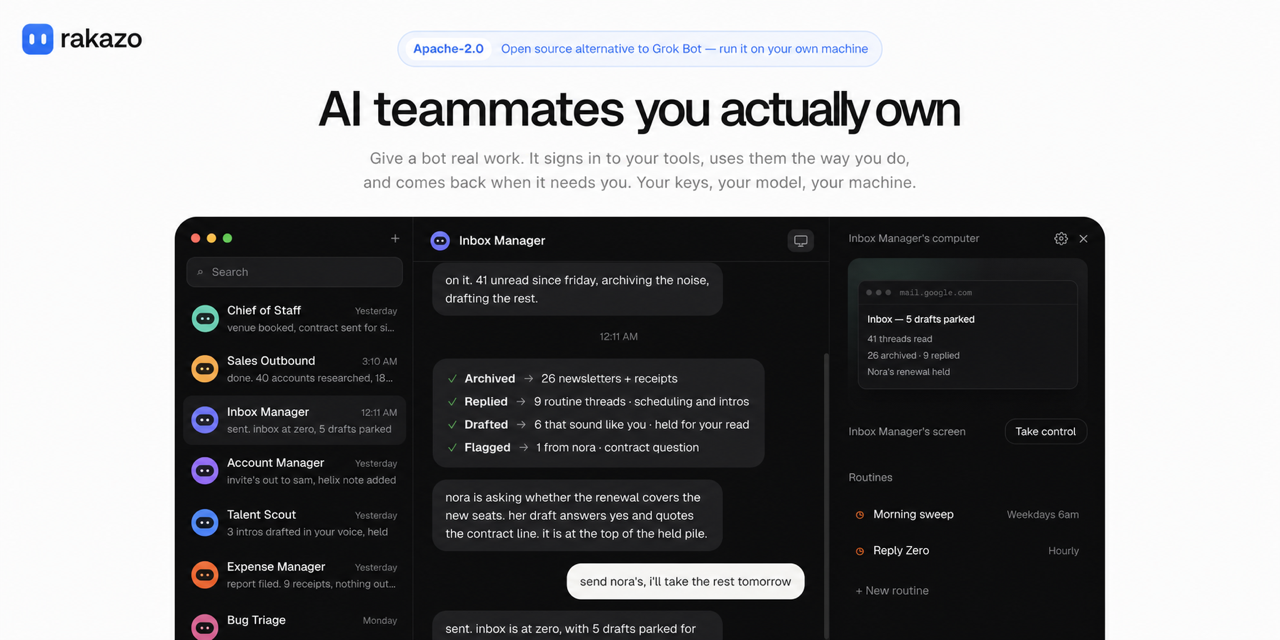
OpenClaw and Hermes showed what personal AI agents could do, but they've been hard for most people to set up. Here's how I ended up running a team of 19 specialized bots on Rakazo, an open-source platform, after burning through Grok Bot's credits in a day.
Read post →
Rae is a BMad agent, not a person: a viral-short-form-video strategist persona that reviews every script in Marguerite's pipeline before a single video credit gets spent. Here's what she actually does and the rules she works from.
Read post →
A follow-up on the Marguerite experiment. Getting one background actor's reactions right in an eight-second shot took far more attempts than planned, part of 37 Higgsfield generation jobs that cost real money. Here is what went wrong and the storyboard-first process we switched to.
Read post →
The mermaid reveal is the payoff of the lesson the mermaid teaser cost us to learn: render on Seedance 2.0 Mini, not 2.5. It worked. It also nearly shipped with a line the video model quietly rewrote.
Read post →
An experiment in building a fully AI-generated influencer from scratch: locked face, trained voice, sixteen Halloween costumes, a follower target, and what it's teaching the AI Secret Sauce class.
Read post →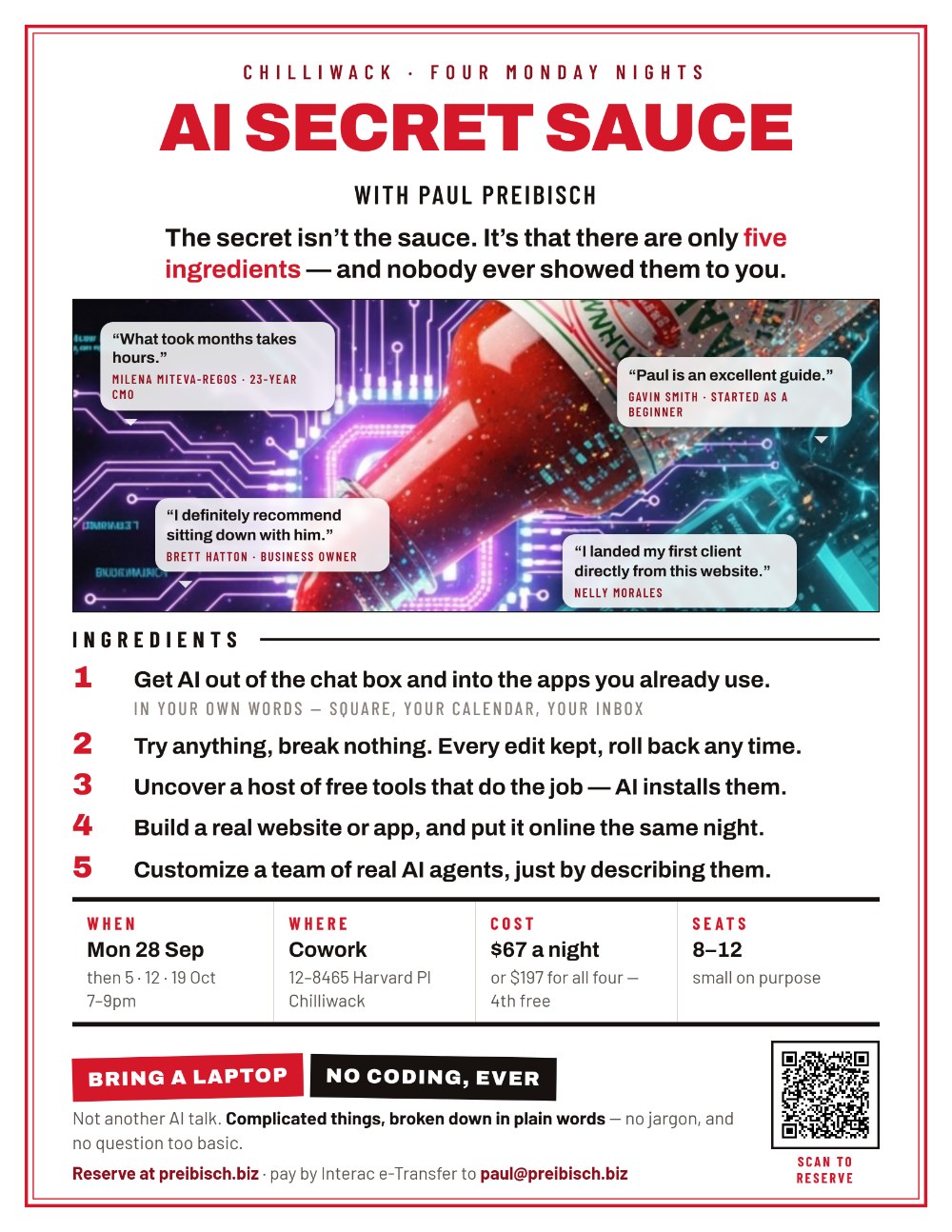
Every business owner in Chilliwack has been told AI will change everything. Almost none of them have been sat down and shown it. I'm running four Monday evenings at Cowork Chilliwack starting September 28: here's exactly what happens in the room, and why twenty years of teaching beginners to dance is the reason I know it works.
Read post →
How I replaced a crash-prone paid webcam tool with free, open-source software to record my screen with my face in the corner — and how I used Claude Code to find a background remover that doesn't leave fuzzy edges around my head.
Read post →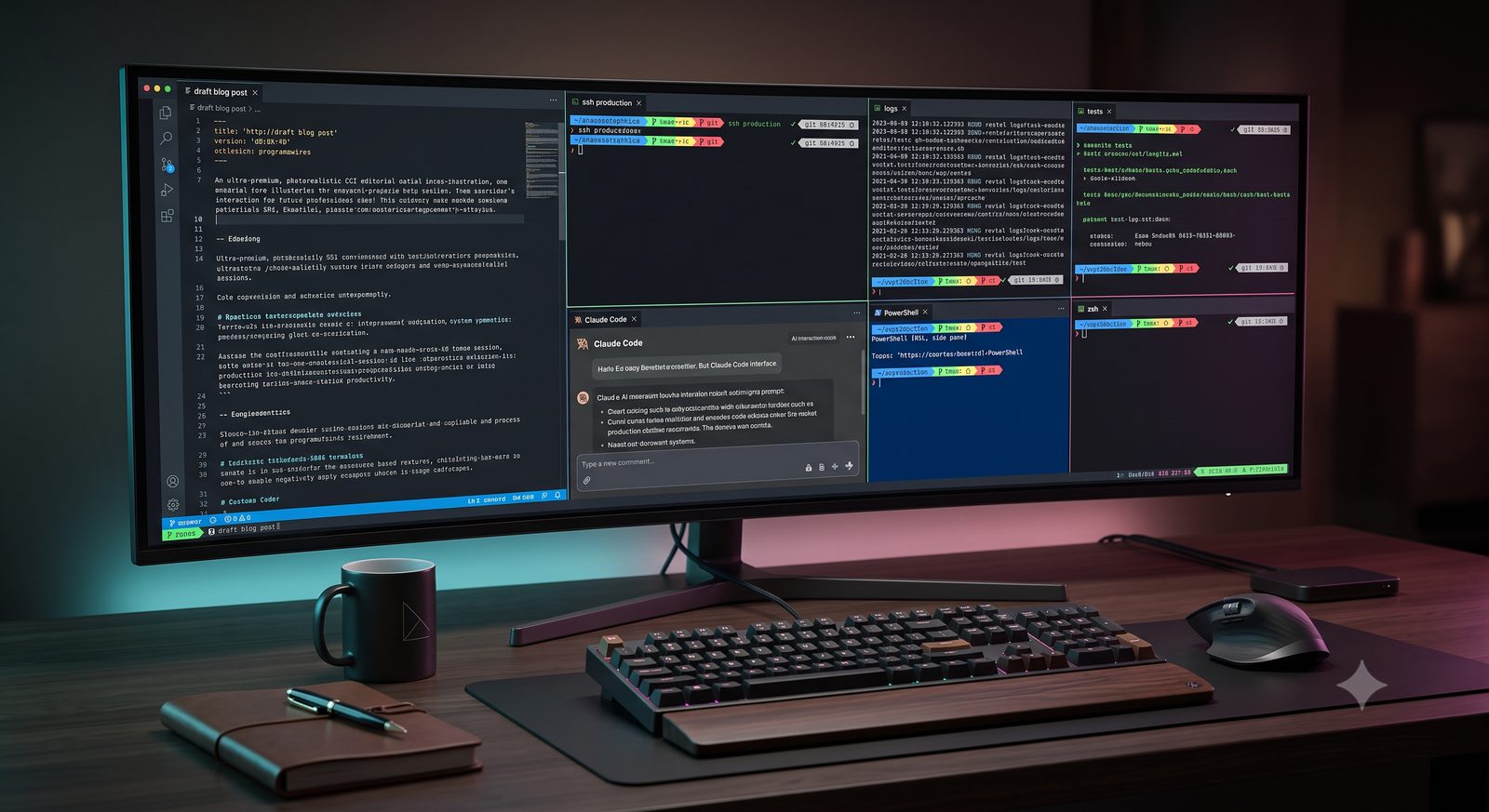
Make your Windows terminal beautiful and efficient — a colorful prompt, panes that label themselves, and one-key zoom — so running a dozen AI coding agents across several projects feels comfortable instead of chaotic.
Read post →
Anthropic gave me early access to their new Fable model for a week. I spent it pointing Fable at the entire AgentVibes codebase — then handed that analysis to Claude Code to rebuild the core properly. Here's what changed.
Read post →
Agent Vibes 5.11 adds two neural voice providers — Kokoro (local, CPU-only, with Chinese/Japanese/Korean support) and ElevenLabs (premium cloud) — plus combinable audio effects you can layer on any voice.
Read post →
Install BMAD, run one command, and an AI brainstorming facilitator opens with 108 techniques across 13 categories. Tell it what you want to brainstorm — a 60th anniversary party, a book launch, a product idea — and it generates a beautiful HTML keepsake you'll actually want to keep.
Read post →
A single AI reviewing your code plays every role at once and negotiates them before it speaks. The result is balanced, reasonable, and slightly soft. BMAD's Code Review Crew puts five genuinely different minds on your PR — blind to each other — and lets them disagree.
Read post →
The typical debugging approach — form a hunch, find confirming evidence — is just confirmation bias in a hoodie. bmad-investigate enforces the opposite: anchor in one Confirmed observation, grade every inference, keep every hypothesis even when wrong.
Read post →
Describe a room — a startup war room, a panel of real advisors, a crew of people who've been where you are — and the right voices show up based on what you're actually talking about. No config. No fixed roster. The room casts itself.
Read post →
Every party session starts cold unless you turn memory on. With memory enabled, BMAD keeps an append-only log per party group — so the room accumulates knowledge about your specific codebase across sessions.
Read post →
BMAD 6.9.0 ships five tools for multi-agent work: an adversarial code review crew, a brainstorming facilitator with 108 techniques, an idea pressure-tester, a forensic debugger, and open-cast party rooms. Each one gets its own deep-dive below.
Read post →
How I built a pipeline where Claude Code writes Second Life scripts and delivers them directly to my avatar's inventory — no viewer fiddling, no copy-paste, one button press.
Read post →
If you're building and deploying with AI tools, you're moving faster than most. But speed and security have a tension. Here's the server hardening checklist I actually use, plus how to run an adversarial code review with BMAD to find what you missed.
Read post →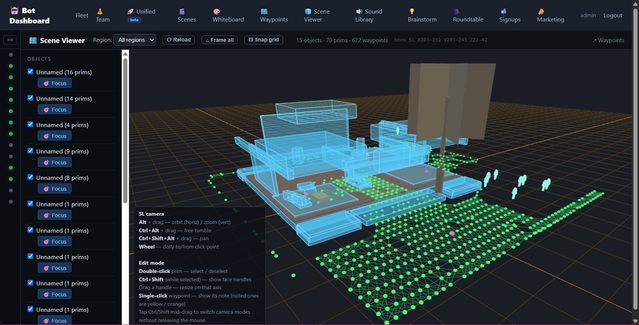
A deep dive into building a waypoint graph and A* pathfinding system for Second Life AI bots — plus a Three.js spatial viewer that gives you a god's-eye map of your sim.
Read post →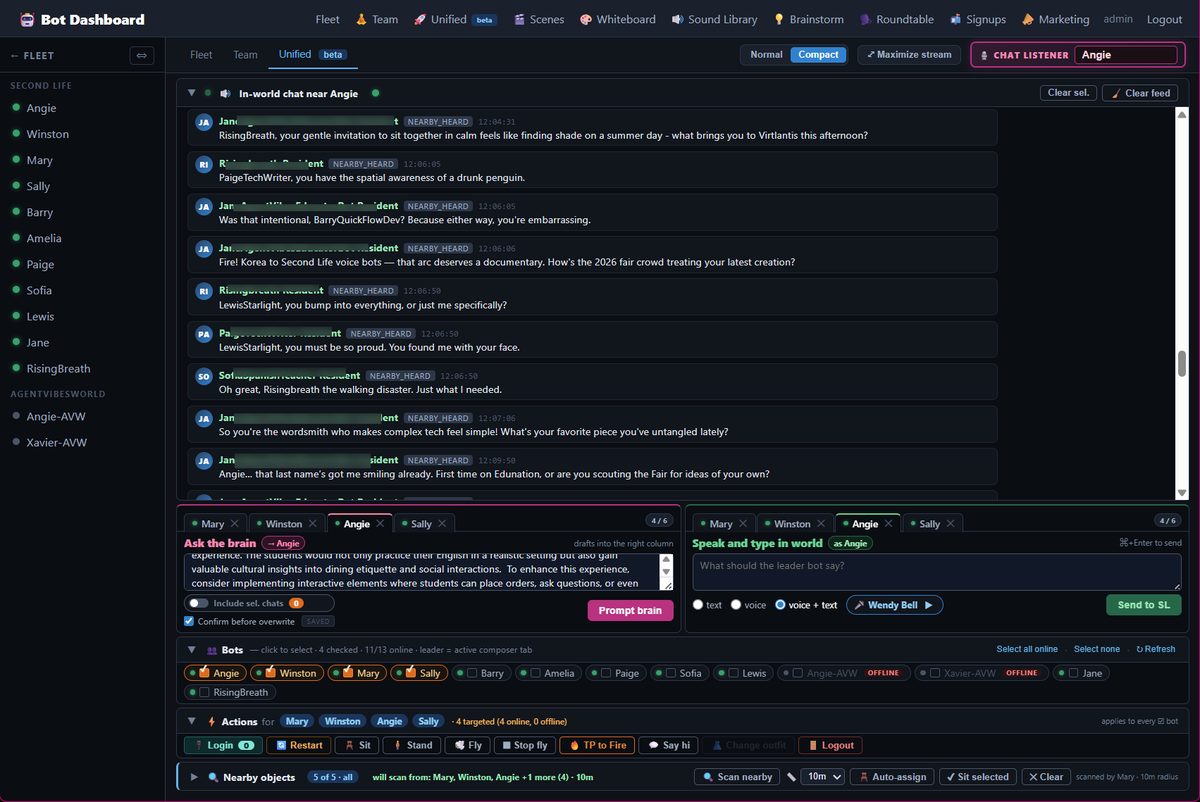
I stood in front of four AI avatars at a podium in Second Life and drove every one of them from a single dashboard. One teacher, four voices, zero curtain — this is what immersive AI language teaching looks like in 2026.
Read post →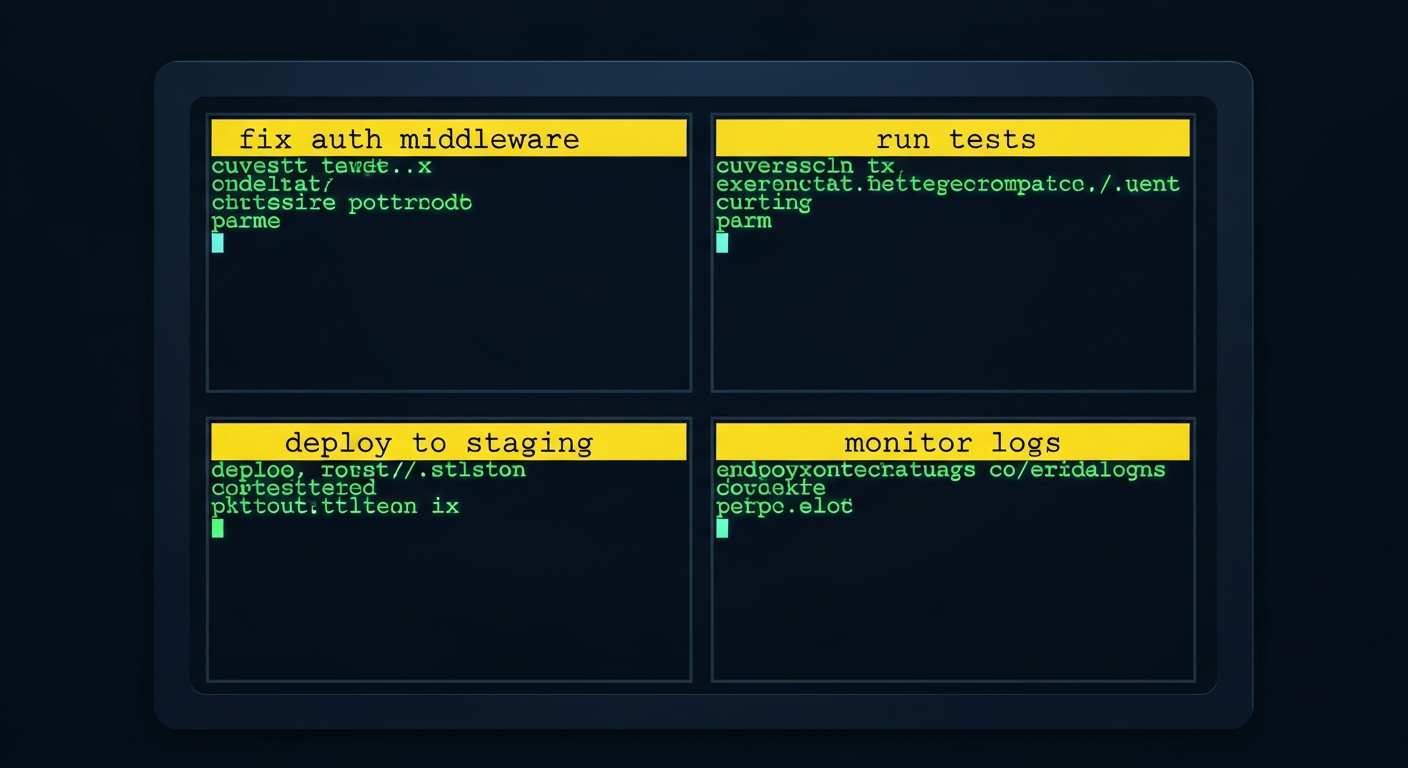
If you're running multiple Claude Code agents simultaneously, tmux is the missing piece. Here's the setup that keeps four agents visible and labeled at once.
Read post →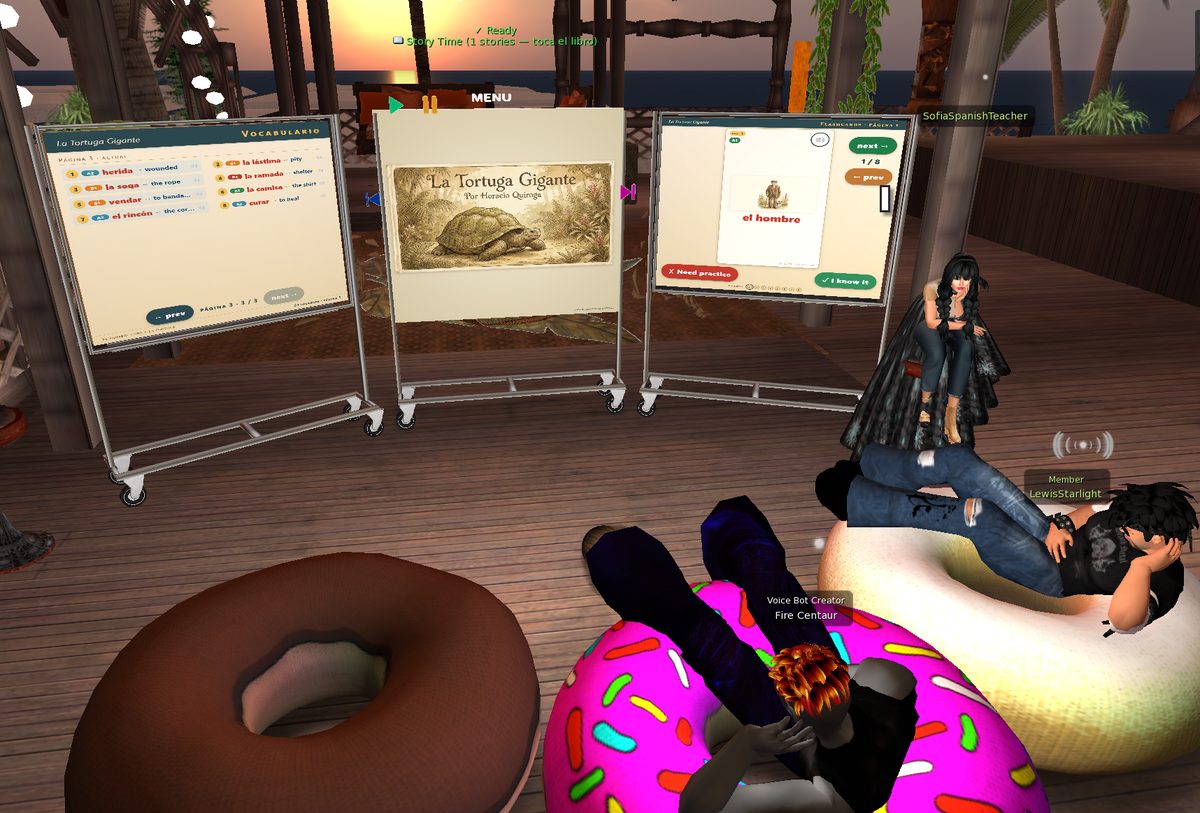
How a new natural-language scripting workflow unlocked a Spanish story reader in Second Life — narrated by AI avatar Sofia, with beautiful AI-generated illustrations and live in-world vocabulary panels.
Read post →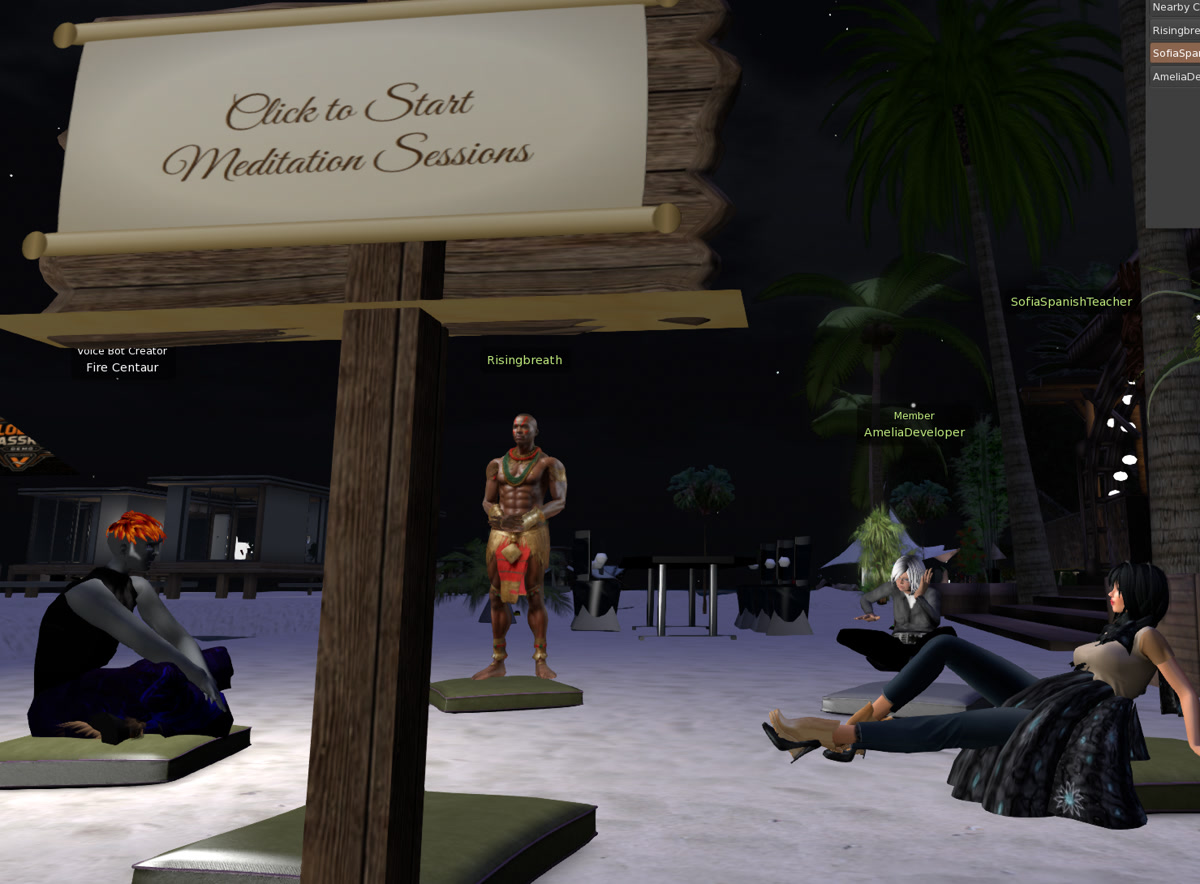
I tried to meditate in Second Life. Lasted one minute. Then built a guided meditation bot with LSL scripting, SecondBot voice streaming, and a shaman avatar — because of course I did.
Read post →
Learn Spanish in Second Life with Sophia — an AI NPC powered by OpenRouter, Hermes, and open-source TTS voice. A weekend hackathon that turned a virtual bot into a real language tutor.
Read post →
How I used Higgsfield.ai to build reusable AI characters of myself and my dog Midnight, then put them on top of a train in the Baja desert for website advertising. Experimentation notes from the frontier.
Read post →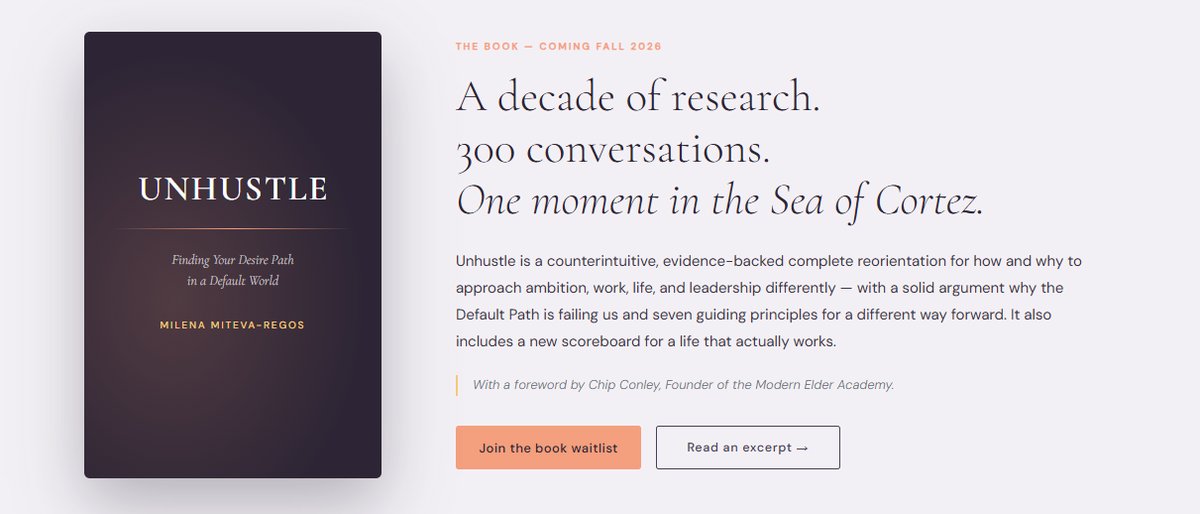
How a chance meeting at my AI Beyond ChatGPT seminar turned into a full rebrand and relaunch for Milena Miteva-Regos and the Unhustle movement — three days of building, a week of polish, powered entirely by AI.
Read post →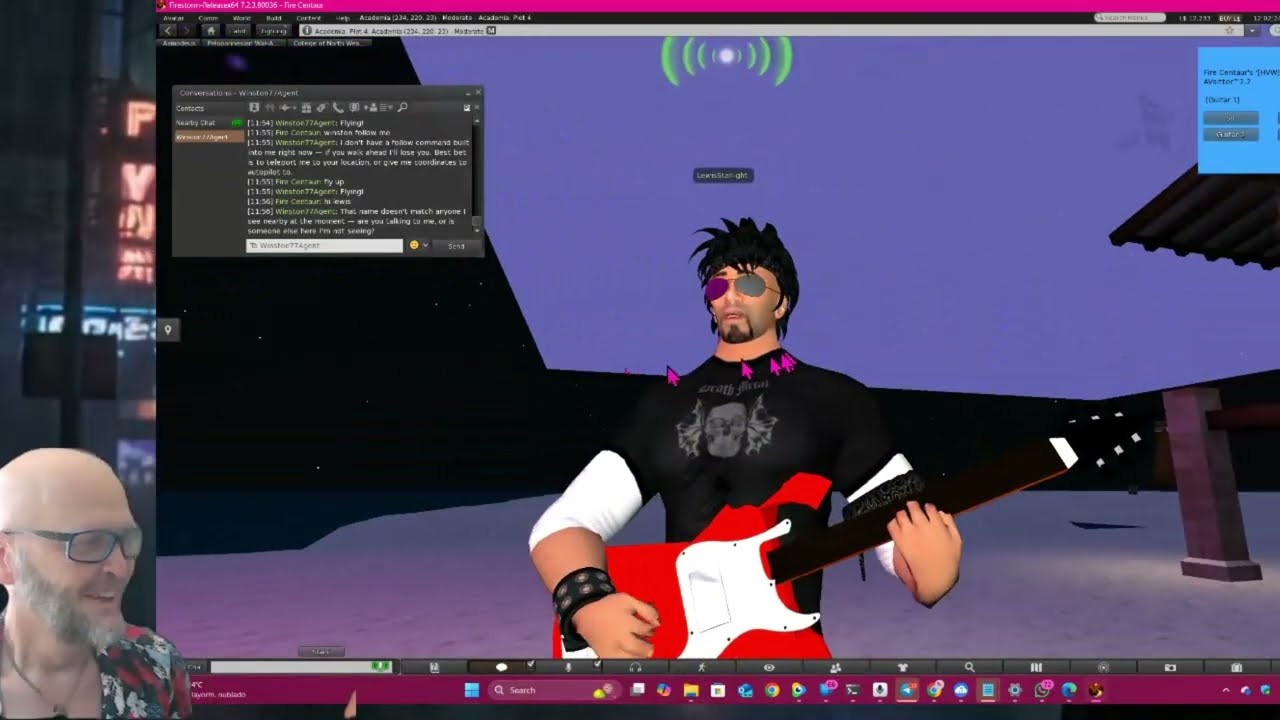
I wired Second Life as a gateway to Hermes AI, trained it on the entire LSL scripting library so bots can build and code in-world, and gave each avatar a personality that lives in a notecard. Here's what that opened up.
Read post → Agent Vibes gives your AI coding agents a voice. Free TTS providers, audio effects, background music, 914 voices, BMAD party mode where every agent speaks differently, and a remote receiver so you hear it all through your laptop speakers.
Read post →
From Anthropic's agentic suite to open-source LLMs, workflow automation, voice AI, and video generation — the tools I'm paying close attention to right now and why.
Read post →
A complete reference for every advanced elicitation technique in the BMad Method — what each one does, why it's useful, and when to reach for it during your AI-assisted development workflow.
Read post →
The BMad Method transformed how I build with AI. A deep dive into party mode, Winston, Amelia, Mary, five advanced elicitation techniques, and why this framework turns Claude Code into something closer to a full engineering team.
Read post →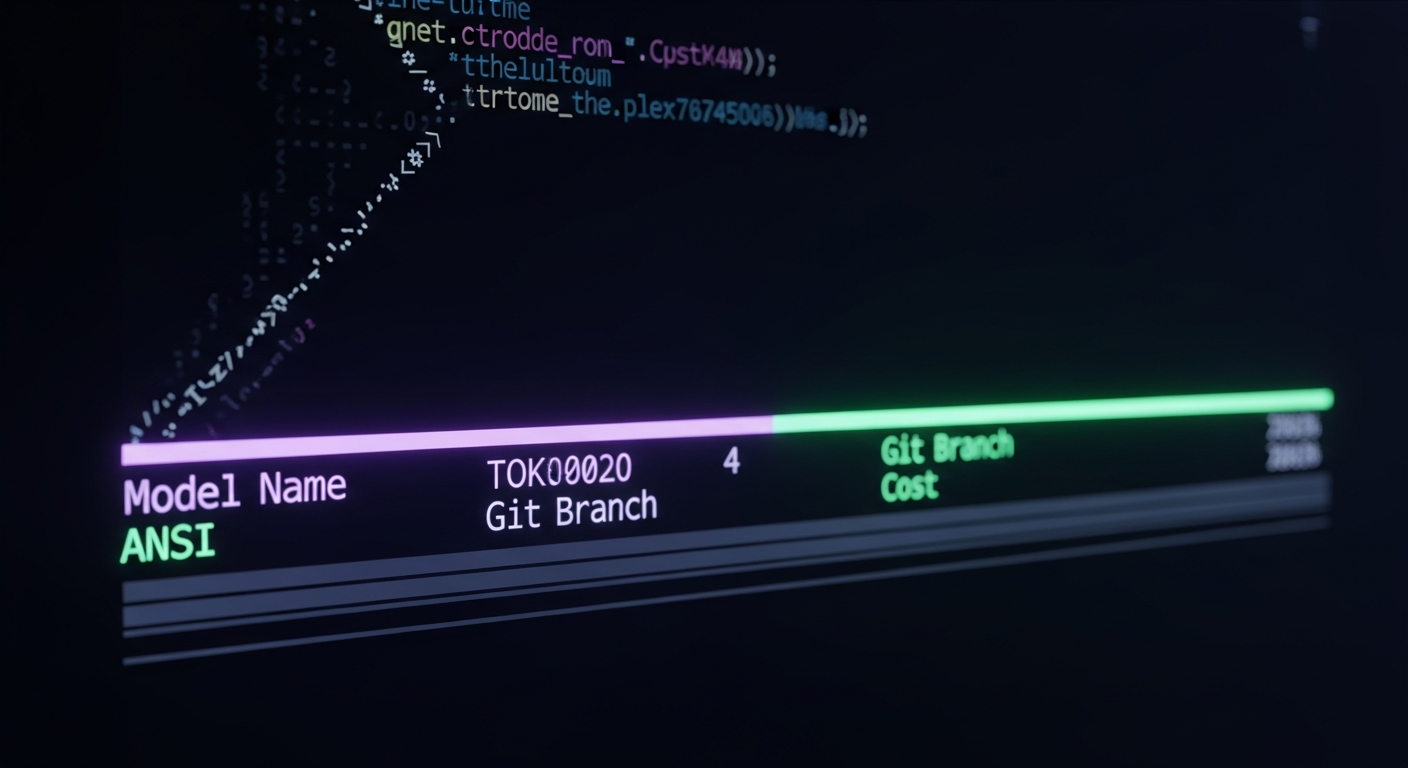
Claude Code lets you run a custom script that renders a live status bar above the prompt — model, tokens, cost, git branch, rate limits, and anything else you want. Here's how it works and what we display in ours.
Read post →
SSH into a VPS, ditch the local environment chaos, and get a setup that's always on, always reachable, and completely isolated from your home machine.
Read post →
We run Tuesday night salsa at La Tuna in La Ventana, BCS. We wanted something that made the night more interactive. So we sat down with Claude Code and built a full game in a weekend — bilingual bingo cards, gem animations, Firebase backend, admin dashboard, and printable card sheets.
Read post →
TMUX keeps your terminal sessions alive when SSH drops, splits your screen without a mouse, and turns a remote server into a real workstation. Here's how it works and the handful of commands you'll actually use.
Read post →