Contents
I’ve learned a lot over the past five months using AI to market events.
It started with my own. I run Latin dance nights in Chilliwack, and when we launched salsa at The Grand Hall, 82 people came through the door on a week and a half of runway. Since then, other people have asked me to help market their events.
The latest one is Carlos Díaz en Los Cabos, and I’m applying the same formula. I don’t have a marketing department. I have Claude Code, a handful of tools I’ve connected to it, and a set of skills I’ve written for it over those five months. Together they work like a small marketing team, and a human approves anything that goes public.
The formula, step by step
1. Set up the ticket page first
Every post, profile and flyer points to one place, so that place has to exist before anything else. Claude connects to Eventbrite through its API (the official way one program talks to another) and sets up the listing: the description, the times, the venue, the ticket types and the rules. Then it reads the page back and checks it against what we’re promising in the posts.
2. Optional: build the event its own Facebook Page and Instagram profile
If the event doesn’t already have a home on social media, Claude can build one. It writes the bio, sets the profile and cover images, adds the ticket link and contact details, and switches the Instagram account to a business account so it can be scheduled and measured. A few of these settings only exist in the web app, so Claude works in my own logged-in browser, and it stops to ask me before anything public or permanent.
3. Find the Facebook groups where the audience already is
Small events can’t outspend anyone, so they have to show up where people already gather. Claude researches the local community, events, interest and hobby groups that fit the audience, notes each group’s rules, and ranks them. For Carlos Díaz that came to 23 groups. Group posts still go up by hand, a few a day, and only in groups whose rules allow it.
4. Find the influential Instagram accounts
Next comes the same research on Instagram: local tourism boards, news pages, event listings, art walks and the accounts the audience already follows. The event account follows them and engages with them, so it shows up in the right places before it ever asks anyone to buy a ticket.
5. Write the marketing strategy document
With the research done, Claude writes the plan: who the audience is, what the one message is, which channels to use, and a day-by-day calendar of suggested posts with dates, times, captions and images. Each post has one job. One announces the event, one introduces the speaker, one answers questions, and the rest count down. I read it, change what needs changing, and approve it.
6. Connect the Facebook and Instagram APIs so the posts schedule themselves
Once the plan is approved, Claude schedules every post in one go through the Facebook and Instagram APIs, then reads each one back to confirm the text and image are really there. The access tokens live in a password vault and never appear in a chat, a file or a screenshot.
7. Run the video factory
Short vertical videos are what get seen on Instagram right now. Over these five months I’ve built my AI team a set of specialized skills that work as a video factory: they make the images and the voiceover, in Spanish or English, and cut them into captioned vertical videos ready for Reels. How they work is part of the secret sauce, and it’s what I teach in AI Secret Sauce.
8. Produce the tracking document
Everything that’s scheduled lands in one tracker: every post, its date and time, whether it goes to Facebook or Instagram, and whether it’s out yet. The organizers can open it on their phones without logging in to anything, so nobody has to ask “did that go out?“
9. Hand the human team a sharing kit
The biggest reach doesn’t come from the event’s own page. It comes from friends, affiliates and team members posting to their own timelines. So Claude builds a sharing kit with ready-made posts, images and the flyer, written to sound like a personal message instead of an ad. Each person copies one, pastes it to their own Facebook page and posts it. For a bilingual audience the kit has a language switch, so nobody has to translate anything.
The event we’re marketing right now
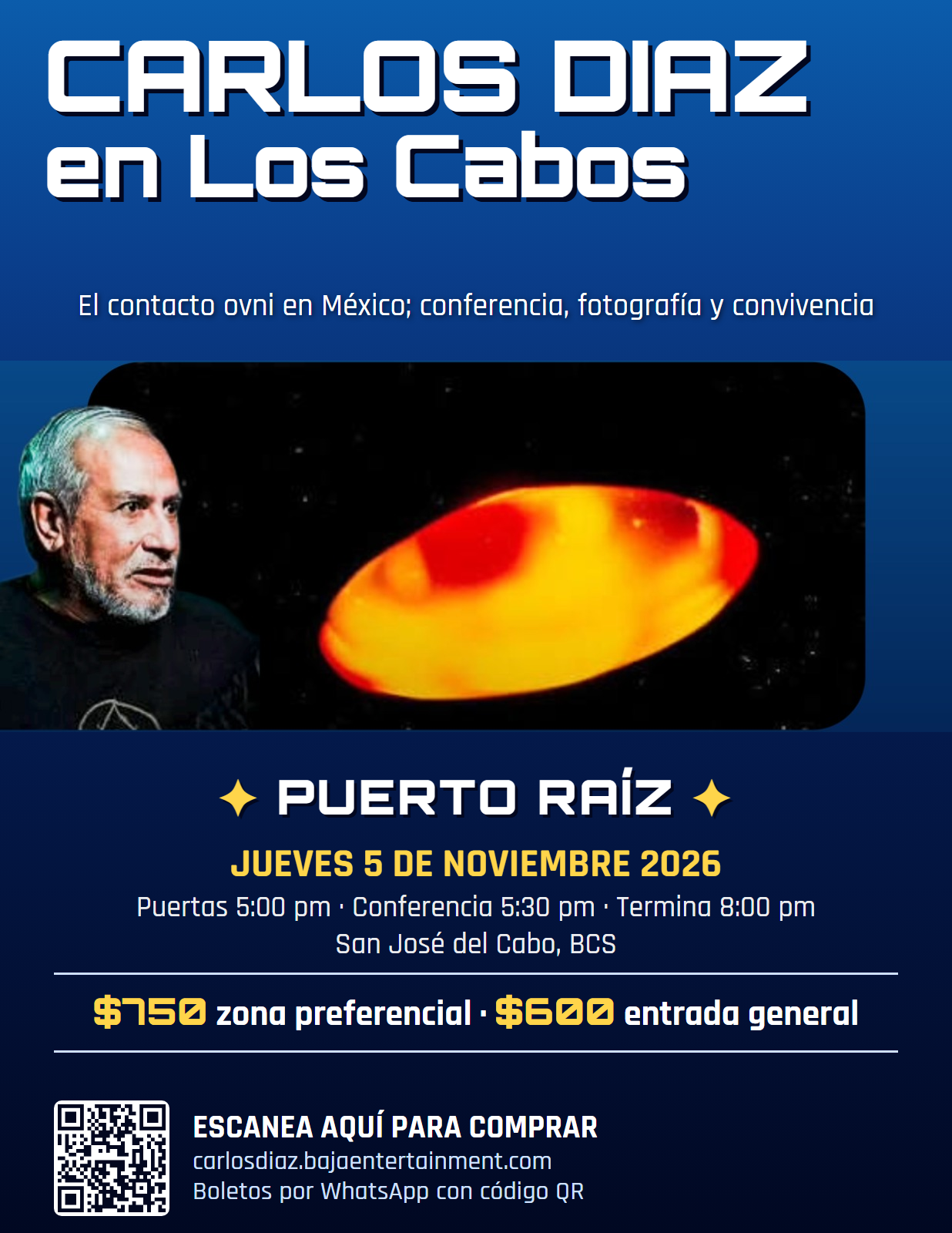
Carlos Díaz en Los Cabos Thursday, November 5, 2026, at Puerto Raíz, San José del Cabo. Doors open at 5:00 PM and the talk starts at 5:30 PM.
Carlos Díaz is a professional cameraman who has spent decades telling the story of what he experienced in 1979 on the Ajusco, the mountain above Mexico City: a yellow and orange glow in the sky that, as he tells it, changed his life. On November 5 he tells that story in person, with his photographs, to an audience of 200. It’s being organized by my friends Arturo and Alex, and everything is in Spanish first with English alongside.
Want this for your event?
If you have an event coming up, or a business whose social media needs a steady hand, I can run this formula for you: the research, the strategy, the scheduled posts, the videos, the tracker and the sharing kit for your people. You approve everything before it goes out.
Get in touch and tell me what you’re promoting and when.
Comments
Loading comments…
Leave a comment